
01
Occupational stress
The weight of the job, and practical ways to set some of it down.
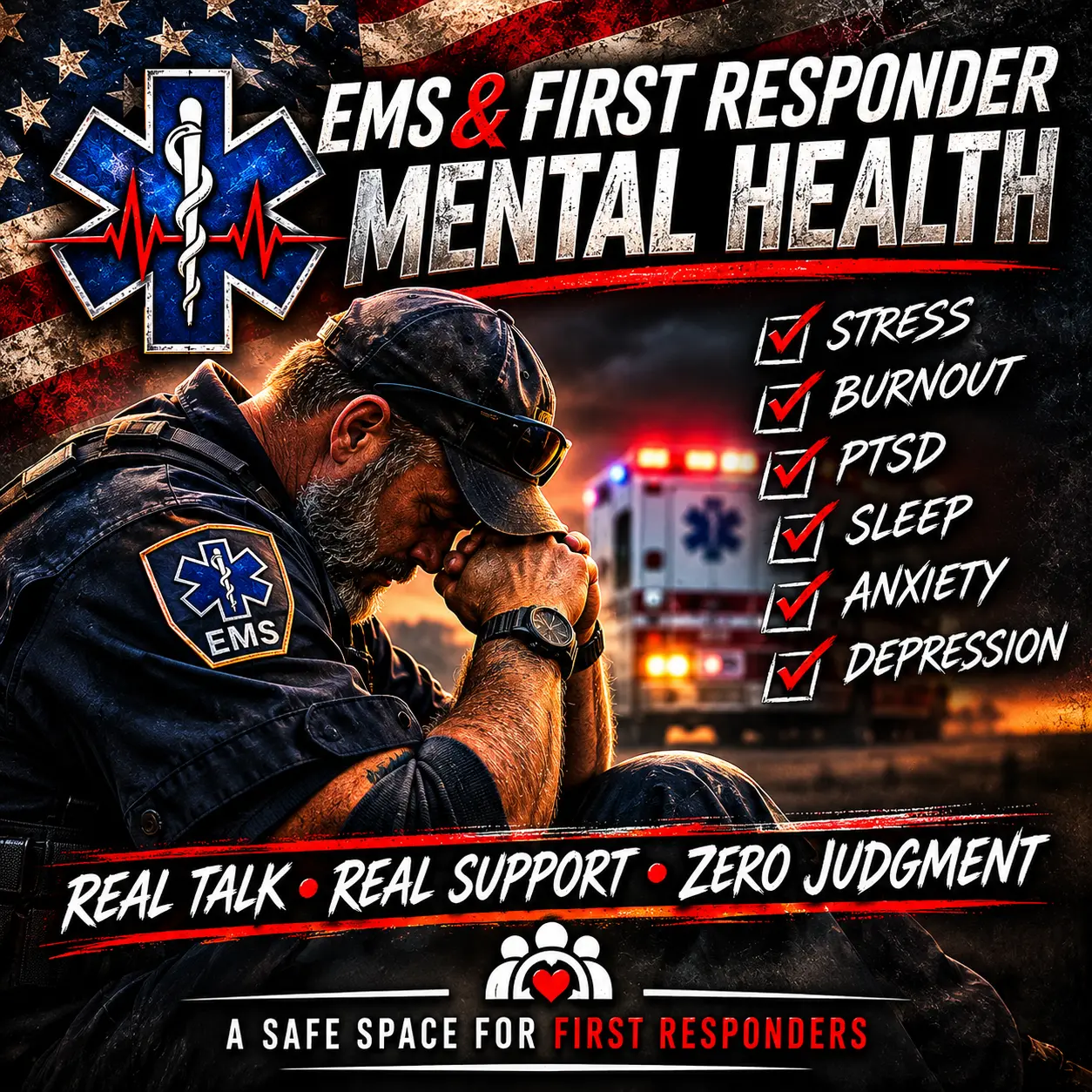
First Responder Mental Health
If you or someone you know is in immediate danger, call 911. For crisis support in the U.S., call or text 988.
Why this matters
After decades in EMS, I can tell you this: the calls you remember aren't always the big ones. Sometimes it's the quiet ones that follow you home.
For too long our culture told us to suck it up. That doesn't work. Talking does. Support does. Getting help early does. This section is about honest conversations on the psychological side of emergency services — and practical places to turn.
Conversations
The weight of the job, and practical ways to set some of it down.
Recognizing it early — in yourself and in your partner.
What it looks like, what it doesn't, and why asking for help is strength.
The power of a partner who just gets it. How to be one, and find one.
Habits, routines and outlets that keep you in the fight for the long haul.
Bringing the job home — and how to stop it from taking over.
The calls that stay with you, and how people actually cope.
Support resources
Reputable, confidential support lines. All U.S.-based; outside the U.S., contact your local emergency number.
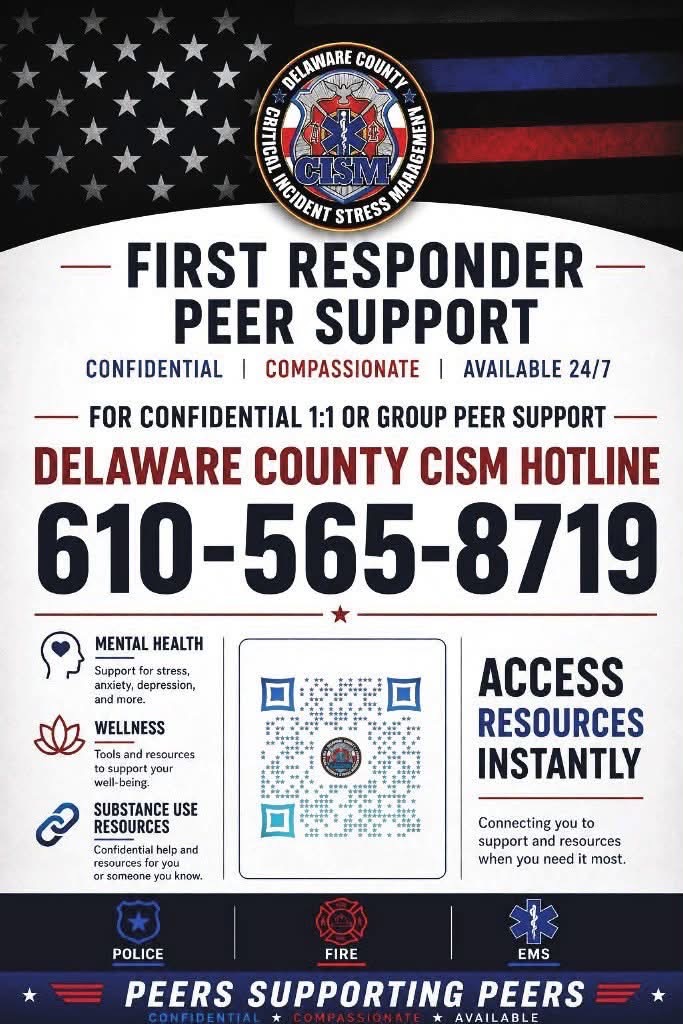
Confidential 24/7 line staffed by and for first responders and their families.
Confidential support for fire and EMS personnel and their families.
Call or text 1-800-985-5990 for support after traumatic events.
The Gray Beard Chronicles is not a crisis service and content here is not a substitute for professional care. Want to share your experience or suggest a resource? Get in touch.